
See where they’re going — not just what they’re doing.
“The first time an intern practices suicidal ideation shouldn't be with a real client.”
Simulated role play your students can practice with anytime — from anxious teenagers to reluctant older adults, with clinical presentations your cohort can't replicate. Empathy-aware, trauma-informed scoring on every session. Growth you can actually see.
Then the long arc: where your graduates go when they leave you. Which firms are hiring in your area. Which supervisors your alumni grow under. The view that begins where your supervision ends.
Assign the right cases to the right students. Train clinicians who reach the people who need them most. And know where they’re heading next.
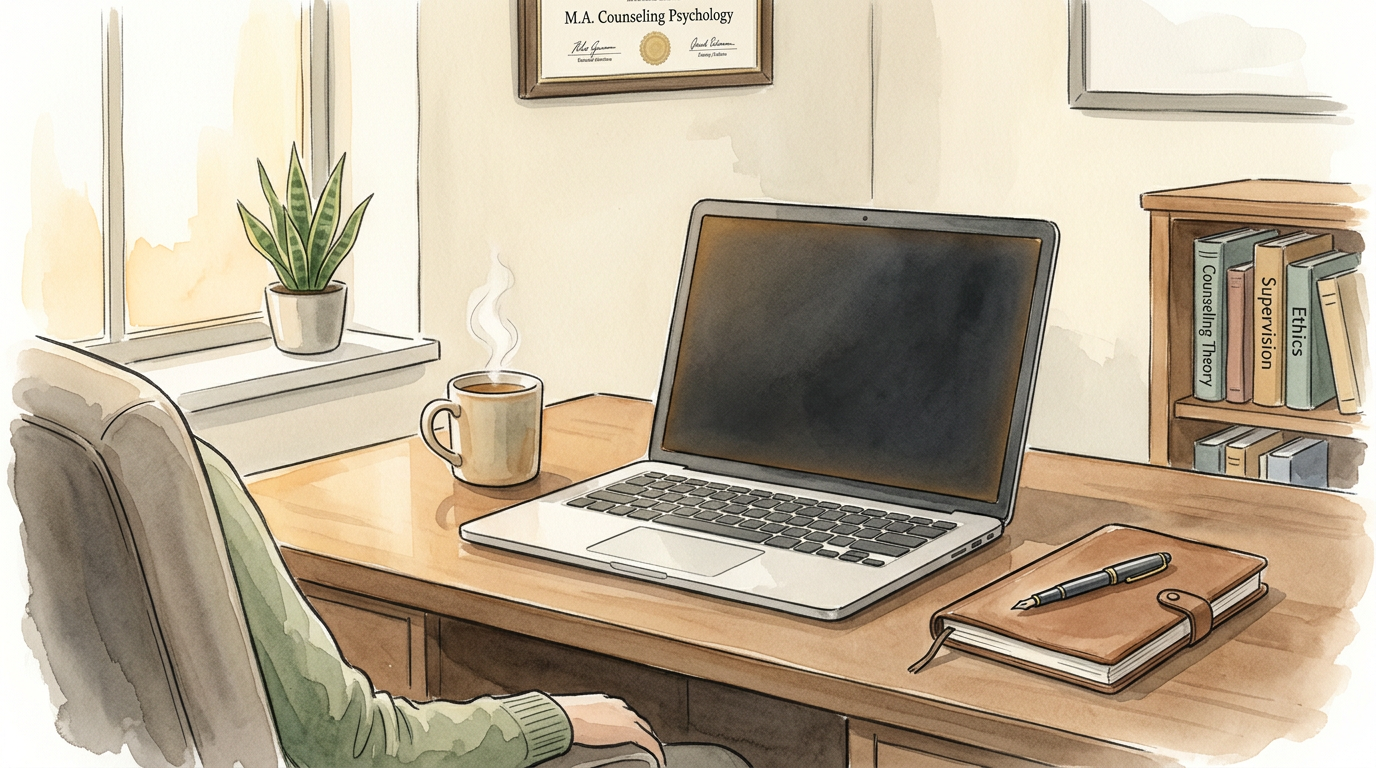
Five things you can do on Monday morning.
The work supervisors actually have to do — the things that don’t fit on a syllabus — mapped to the tools that do them.
See what your students actually do in session.
Six-pillar scoring on every student session — Empathy, Presence, Tension, Alliance, Movement, Direction. Same rubric across your cohort, so you’re comparing apples to apples instead of vibes.
Answer student questions with evidence, not guesses.
When a student says “I don’t know what to say next” or “why did that go sideways?” — pull up the transcript, the turn-by-turn scoring, and the trust trajectory. Specific feedback grounded in what actually happened.
Track skill growth over a whole semester.
Per-student trajectory across all six pillars. See who’s improving in empathy but stuck on tension. See who’s plateaued. See who needed three sessions to find their feet and is now doing the work.
Assign cases that fill the gaps you can see.
Found a student weak on rupture repair? Assign three custom scenarios that train it. Their next sessions become deliberate practice on the thing they need, not whichever case happened to walk in the door.
Send interns into their first real session less raw.
The hardest moments — suicidal ideation, trauma disclosure, substance refusal, a client who goes silent — aren’t the first time your interns have seen them. They’ve practiced. They’ve been scored. They have a sense of what they did and what they want to try next time.
Role Play, Reimagined
Practice Without Limits
Students practice anytime — with teenagers, older adults, resistant clients, and clinical presentations your cohort can’t replicate. No partner needed, no scheduling.
Safe Space for Hard Cases
Suicidal ideation, trauma disclosure, substance use — practice the hardest moments before they’re real.
Growth You Can Measure
Track each student’s clinical development with research-grounded scoring. Not gut feelings — structured, session-by-session evidence.
Growth you can actually see
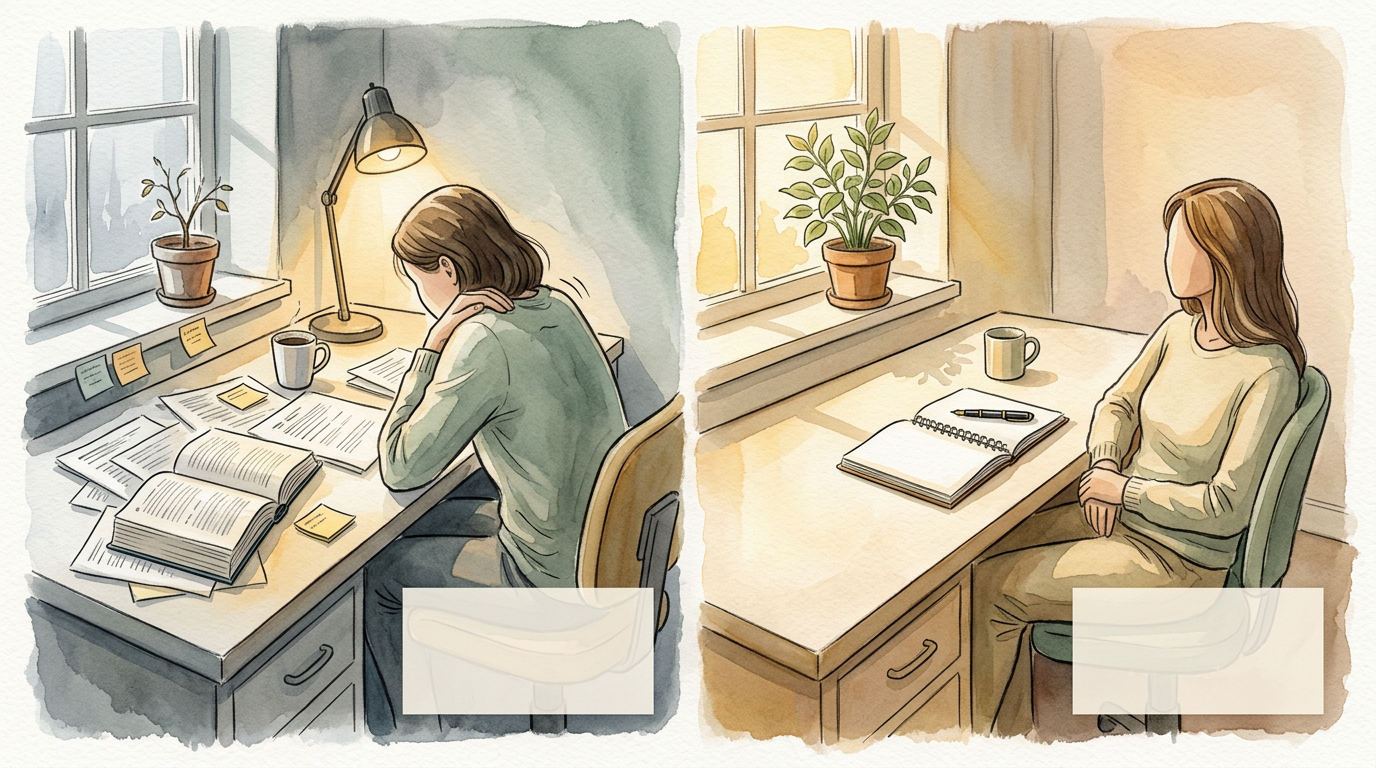
The clinical range your cohort can't match
Every student in your program role plays with the same group of 24-year-olds. Your clients won't all be 24.
A 15-year-old who answers every question with “I don’t know”
A 68-year-old widow who insists she’s “fine, just tired”
A 42-year-old court-ordered after a DUI who won’t look at you
A 19-year-old who just disclosed self-harm for the first time
A 50-year-old whose anxiety looks like anger
A 28-year-old in early recovery who doesn’t trust the system
6 clinical presentations. Ages 14 to 74. The cases that fill their caseload from day one.
What supervisors say
“It does what we already do as supervisors — but better, more efficiently, and more effectively. It shifts some of the responsibility back to the trainee to practice, instead of the entire onus being on the supervisor to skill them up.”
“If an intern isn’t competent or confident in crisis intervention, I’m not assigning them those clients. Assigning a high-risk client to an unprepared therapist is a liability for my license — and it’s the client who pays for the gap.”
“It’s a virtual role play. Imagine a colleague on the other end of a Zoom call pretending to be a client — except the system generates the client, and your intern can practice as many times as they need.”
Because the best clinical training develops the person, not just the technique.
Every student who walks into their first session having practiced with a 15-year-old, a reluctant older adult, and a client in early recovery is a clinician who can reach the people who need them most. That's why we built this.
Frequently asked questions
Have a question that isn't answered here? Reach out to us at info@noesisdynamics.com